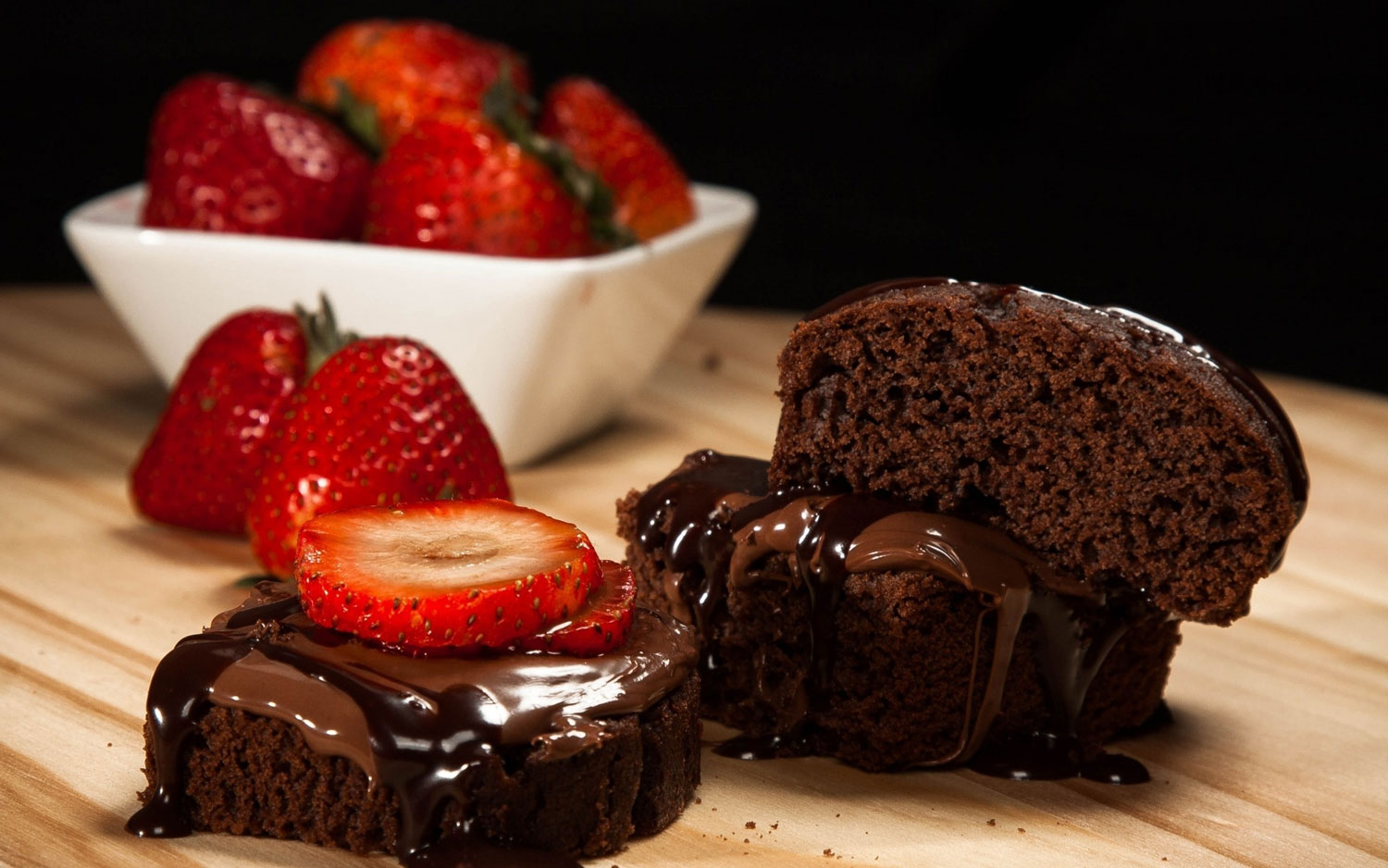
All humans eat to survive. They also eat to express appreciation, for a sense of belonging, as part of family customs, and for self-realization. For example, someone who is not hungry may eat a piece of cake that has been baked in his or her honor.
People eat according to learned behaviors regarding etiquette, meal and snack patterns, acceptable foods, food combinations, and portion sizes. Etiquette refers to acceptable behaviors. For example, for some groups it is acceptable to lick one’s fingers while eating, while for other groups this is rude behavior. Etiquette and eating rituals also vary depending on whether the meal is formal, informal, or special (such as a meal on a birthday or religious holiday).
A meal is usually defined as the consumption of two or more foods in a structured setting at a set time. Snacks consist of a small amount of food or beverage eaten between meals. A common eating pattern is three meals (breakfast, lunch, and dinner) per day, with snacks between meals. The components of a meal vary across cultures, but generally include grains, such as rice or noodles; meat or a meat substitute, such as fish, beans, or tofu ; and accompaniments, such as vegetables. Various food guides provide suggestions on foods to eat, portion sizes, and daily intake. However, personal preferences, habits, family customs, and social setting largely determine what a person consumes.
What People Eat
In each culture there are both acceptable and unacceptable foods, though this is not determined by whether or not something is edible. For example, alligators exist in many parts of the world, but they are unacceptable as food by many persons. Likewise, horses, turtles, and dogs are eaten (and even considered a delicacy) in some cultures, though they are unacceptable food sources in other cultures. There are also rules concerning with whom it is appropriate to eat. For example, doctors in a health facility may eat in areas separate from patients or clients.
Obtaining, Storing, Using, and Discarding Food
Humans acquire, store, and discard food using a variety of methods. People may grow, fish, or hunt some of their food, or they may purchase most of it from supermarkets or specialty stores. If there is limited access to energy sources, people may store small amounts of foods and get most of what they eat on a day-to-day basis. In homes with abundant space and energy, however, people purchase food in bulk and store it in freezers, refrigerators, and pantries. In either case there must also be proper disposal facilities to avoid environmental and health problems.

thik ace sob?